
How to Explain Your Baby’s Adoption to Older Children
Making an adoption plan can bring up worries—not just for birth moms, but also for the older children in your life. If you’re considering or deciding to place your baby for adoption and already have children (or other kids around you), here’s gentle, age-appropriate guidance to help explain it with clarity and compassion.
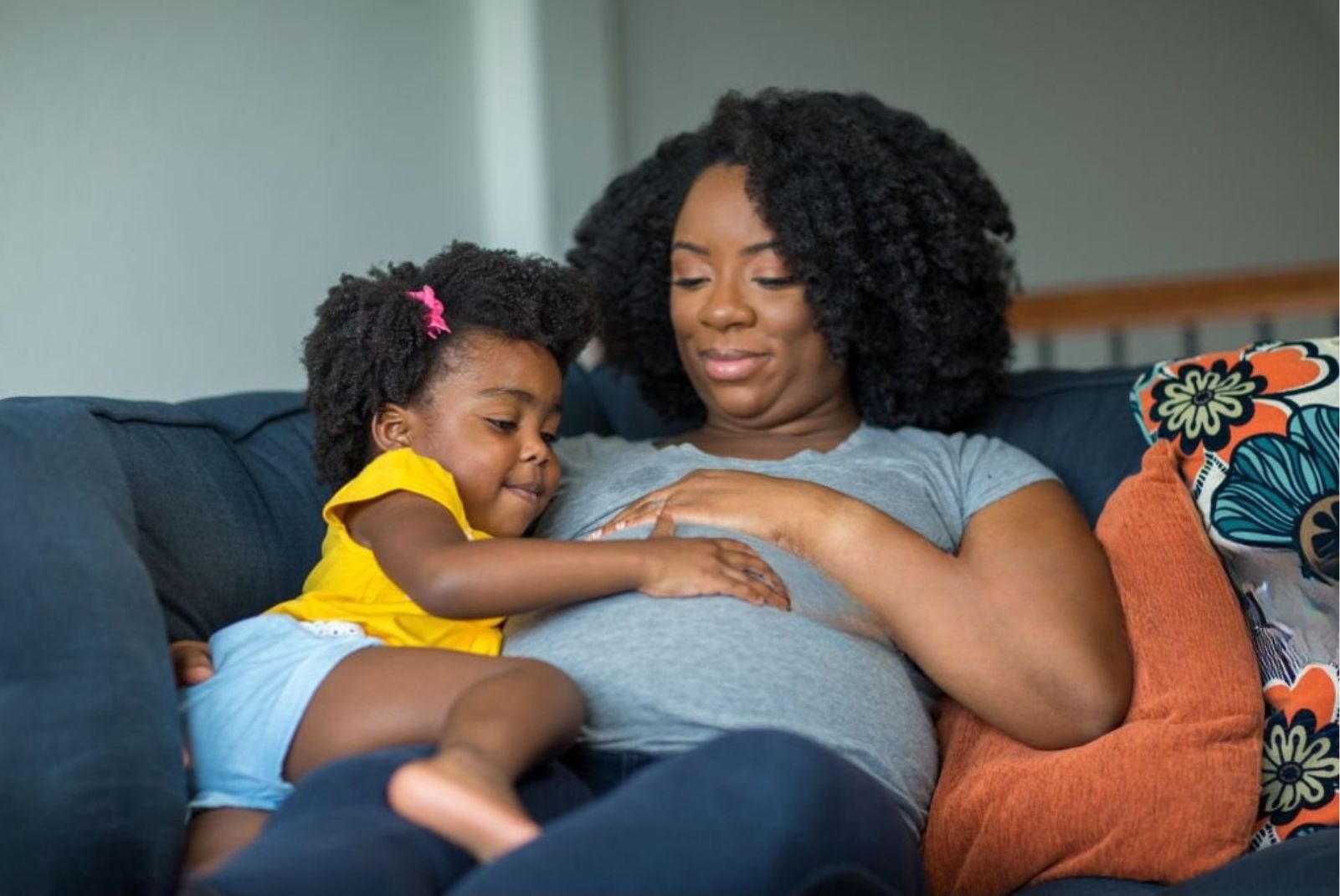
1. Start Early, Be Honest
It’s best to have the conversation while you’re pregnant, or soon after making your plan. Talking openly from the beginning helps adoption feel like a normal part of your family story, not a secret.This builds trust and reduces confusion later.
2. Use Age‑Appropriate Language
For Younger Children (Ages 3–6)
Use simple, loving language that emphasizes care and reassurance. Here’s how you might explain it:
-
“I love you so much, and I love the new baby too.”
-
“The baby is going to live with a family who has been hoping for a baby.”
-
“You are safe, and I will always be here to take care of you.”
-
“Sometimes mommies make really big decisions to do what’s best for their babies.”
For Older Children (Ages 7–12)
At this age, kids can understand more about why you’re choosing adoption. Be open and honest, while staying positive and loving. You can say things like:
-
“I chose adoption because I want the baby to have everything they need.”
-
“It would be really hard for our family to care for another baby right now.”
-
“Even though the baby will live somewhere else, they’ll always be your little brother or sister.”
-
“This doesn’t change how much I love you or how important you are to me.”
3. Explain Why, Without Overloading Details
Share that adoption is about love and care—not rejection. You might say: “We placed the baby because the adoptive family couldn’t have a child, and we wanted her to have all the opportunities she deserved.” Keep it simple and centered on love and your children’s security.
4. Involve Kids Gently (If Age-Appropriate)
When you’re ready, older children can help by looking at adoptive family profiles, coloring pictures, or even helping prepare a welcome gift. It helps them feel included and valued in the process.
5. Provide Emotional Support
Encourage your older children to express feelings—through talking, drawing, journaling, or questions—and validate those emotions. It’s okay to say, “I feel sad or worried too, and that’s okay.” Shared honesty fosters connection.
6. Use Books & Stories To Help
Reading adoption-themed books together can be a loving way to introduce complex ideas. For instance, Sam’s Sister is aimed at kids who have siblings adopted into other families
7. Keep the Conversation Open
Your children are growing and changing, and so is their understanding. Check in every now and then to ask how they feel, answer new questions, and reassure them. This openness builds emotional comfort.
Why This Matters
- Builds trust and reduces fear: No one wants secrets—honesty keeps your family strong and emotionally safe.
- Fosters empathy and understanding: Children learn love, not loss, especially when framed with age-appropriate language.
- Supports healthy grief and attachment: Talking openly helps children feel secure and acknowledged in their own emotions.
Need personalized support?
At Hudson Hearts Adoption, we are here to guide birth moms through every step—from explaining adoption to loved ones to emotional support after placement. You don’t have to do this alone. Call or text us anytime: 917‑744‑7678 or visit hudsonheartsadoption.org.
CONTACT US
We know this is not an easy decision. Everything you share will be kept confidential. Once you complete the form, call or text, we will reach out to you.